The automotive world often uses the terms “supercar” and “hypercar”, but many people don’t clearly understand the difference. Both belong to the high-performance category, but they are not the same in terms of price, speed, technology, exclusivity, and purpose.
In this guide, we will break down Hypercars vs Supercars in a simple but detailed way so you can understand what truly separates them in 2026.
🚗 What is a Supercar?
A supercar is a high-performance sports car designed for speed, handling, and driving excitement. Supercars are more “usable” compared to hypercars and are often seen on roads, highways, and sometimes even daily driving situations.
⭐ Key Features of Supercars:
- High performance engines (V6, V8, V10, V12)
- 0–60 mph in around 2.5–3.5 seconds
- Top speed around 200–220 mph
- Luxury interior with sporty design
- Limited but still relatively higher production numbers
🏆 Popular Supercars:
- Ferrari F8 Tributo
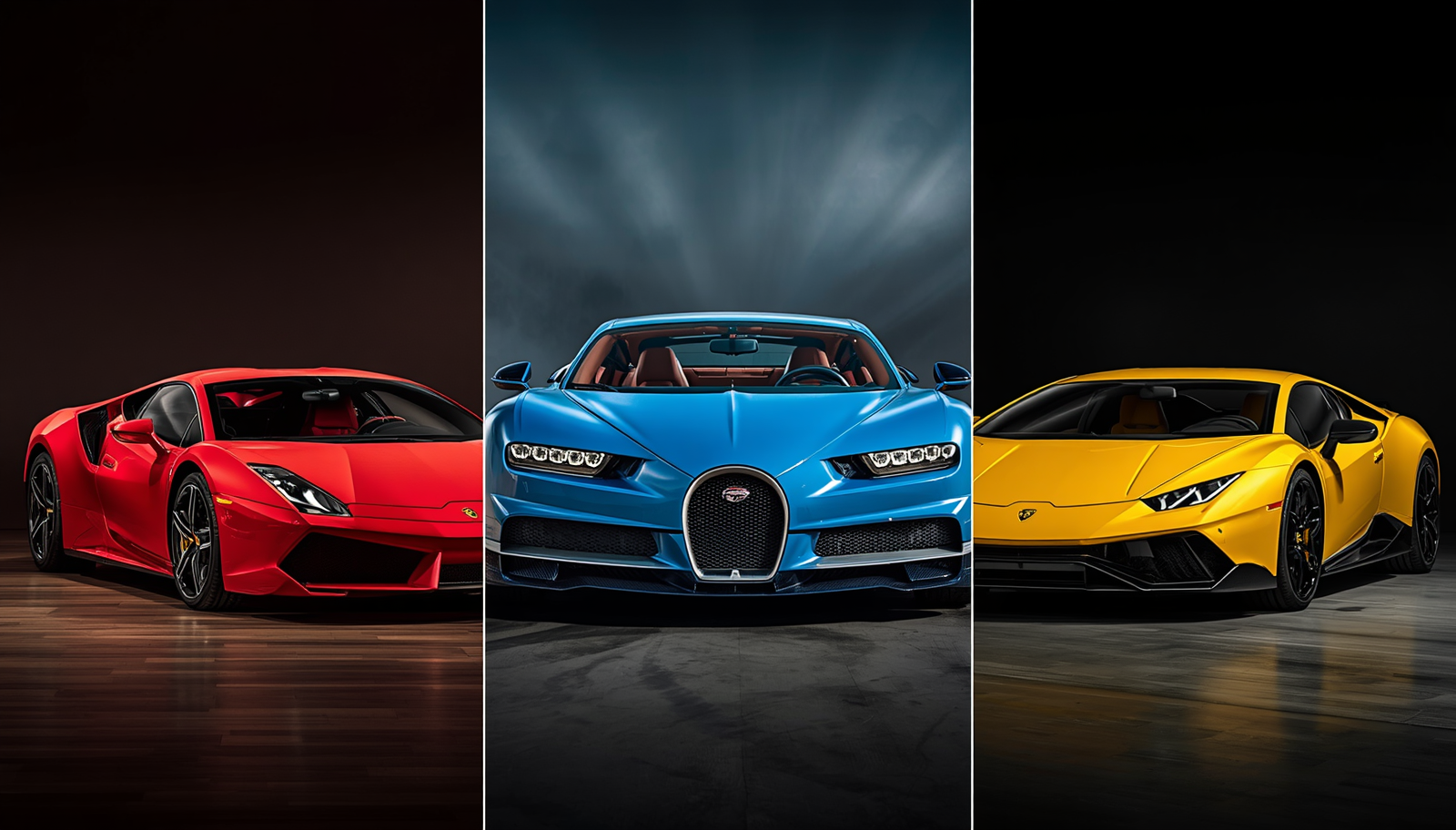
- Lamborghini Huracán
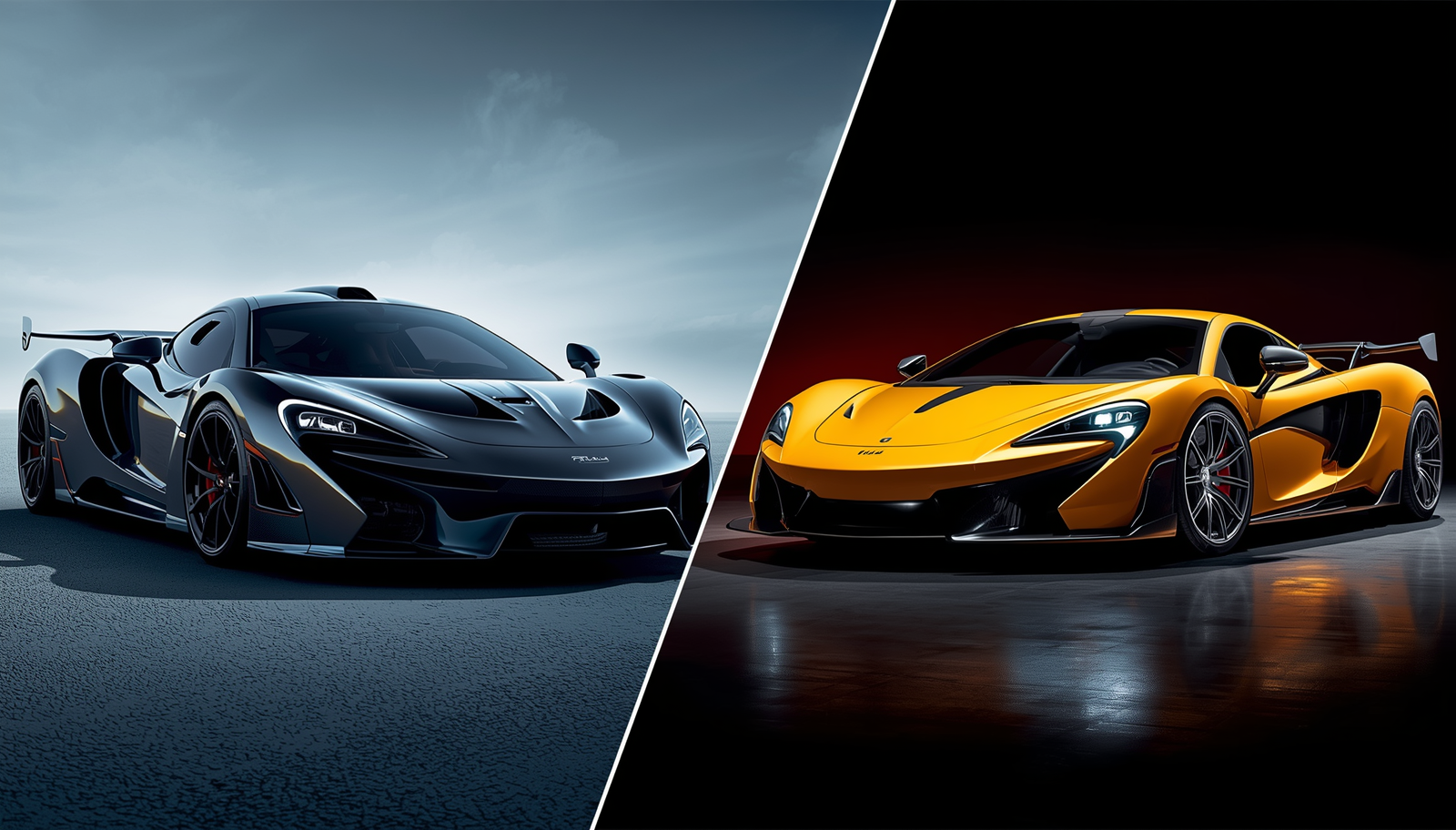
- McLaren 720S
- Porsche 911 Turbo S
👉 These cars are fast, stylish, and expensive—but still somewhat practical for enthusiasts.
🚀 What is a Hypercar?
A hypercar is the highest level of automotive performance and exclusivity. It goes beyond supercars in every aspect: speed, technology, rarity, and price.
Hypercars are often built in extremely limited numbers and focus on engineering extremes rather than daily usability.
⭐ Key Features of Hypercars:
- Extreme horsepower (1000+ HP, often 1500+)
- 0–60 mph in under 2.5 seconds
- Top speed above 250–300 mph
- Advanced hybrid or quad-turbo systems
- Ultra-lightweight carbon fiber construction
- Extremely limited production (1–100 units often)
🏆 Popular Hypercars:
- Bugatti Chiron Super Sport
- Bugatti Bolide
- Koenigsegg Jesko
- Pagani Huayra
- Rimac Nevera
👉 Hypercars are more like “rolling engineering masterpieces” than normal cars.
⚙️ Hypercars vs Supercars – Key Differences
🥇 1. Performance
| Category | Supercars | Hypercars |
|---|---|---|
| Horsepower | 500–800 HP | 1000–2000+ HP |
| 0–60 mph | 2.5–3.5 sec | 1.8–2.5 sec |
| Top Speed | ~200–220 mph | 250–300+ mph |
👉 Hypercars are significantly faster and more powerful.
💰 2. Price Difference
| Category | Price Range |
|---|---|
| Supercars | $150,000 – $500,000 |
| Hypercars | $1 million – $20+ million |
👉 Hypercars can cost 5x to 50x more than supercars.
🧠 3. Technology Level
Supercars:
- Advanced but production-based technology
- Shared platforms and engines
- Focus on driving enjoyment
Hypercars:
- Cutting-edge experimental engineering
- Custom-built platforms
- Extreme aerodynamics and hybrid systems
👉 Hypercars often introduce future technology first.
🏭 4. Production & Rarity
| Category | Production |
|---|---|
| Supercars | Hundreds to thousands |
| Hypercars | 1 to 100 units only |
👉 Hypercars are extremely rare collector items.
🛡️ 5. Practical Use
Supercars:
- Can be driven on weekends or sometimes daily
- Easier maintenance
- Wider service availability
Hypercars:
- Mostly garage or collector cars
- Expensive maintenance
- Limited service centers
👉 Supercars are more usable, hypercars are more collectible.
🏁 Real-World Examples
🚗 Supercar Example:
Lamborghini Huracán
- 600+ HP
- Around $250K–$300K
- Road-friendly performance
🚀 Hypercar Example:
Bugatti Chiron
- 1500+ HP
- Around $3M+
- Extreme speed machine
🧠 Why Hypercars Exist
Hypercars are not made for normal transportation. They exist for:
- Engineering innovation
- Brand prestige
- Technology testing
- Luxury exclusivity
- Collector investment
👉 They represent the peak of automotive engineering.
📊 Simple Comparison Summary
| Factor | Supercars | Hypercars |
|---|---|---|
| Speed | Very fast | Insanely fast |
| Price | High | Extremely high |
| Rarity | Limited | Ultra rare |
| Comfort | Moderate | Luxury focused |
| Purpose | Driving fun | Engineering showcase |
The comparison between hypercars and supercars becomes much clearer when we move beyond technical specifications and start analyzing real-world usage, ownership experience, and long-term value. While both categories exist in the high-performance automotive world, their purpose, engineering philosophy, and customer base are completely different.
In 2026, the gap between supercars and hypercars has become even wider due to advancements in hybrid technology, extreme aerodynamics, and electric hyper-performance systems. Still, both segments continue to thrive because they serve different types of automotive enthusiasts.
🧠 Understanding the Core Philosophy Difference
At the core level, supercars and hypercars are built with two very different philosophies:
🚗 Supercars:
Supercars are designed to deliver:
- High speed
- Balanced daily usability
- Emotional driving experience
- Track-capable performance
They are built for enthusiasts who want performance with some practicality.
🚀 Hypercars:
Hypercars are designed to deliver:
- Extreme performance limits
- Engineering innovation
- Ultra-low production exclusivity
- Maximum speed and aerodynamic efficiency
They are built for collectors and elite buyers who want the absolute best technology money can buy.
👉 This fundamental difference defines everything else about them.
⚙️ Engineering Complexity: Why Hypercars Are a Different Level
One of the biggest differences between hypercars and supercars is engineering complexity.
Supercars use:
- Modified production engines
- Shared platforms
- Proven technology
Hypercars use:
- Fully custom-built engines
- Experimental hybrid systems
- Carbon fiber monocoque structures
- Active aerodynamic systems
- Formula 1-inspired engineering concepts
👉 In many cases, hypercars are used as technology test platforms for future automotive innovation.
💰 Ownership Experience in Real Life (USA Market)
When it comes to ownership in the USA, the difference becomes even more visible.
🚗 Supercar Ownership:
- Easier to maintain
- More service centers available
- Usable on weekends or occasional daily driving
- Relatively manageable insurance cost (still expensive but possible)
Examples:
- Ferrari F8
- Lamborghini Huracán
- McLaren 720S
👉 These cars are still “driver-friendly” for wealthy enthusiasts.
🚀 Hypercar Ownership:
- Extremely expensive maintenance
- Limited certified service centers
- Specialized transportation often required
- Insurance can reach tens of thousands per year
- Mostly stored as collector assets
Examples:
- Bugatti Chiron
- Koenigsegg Jesko
- Pagani Huayra
👉 Hypercars are more like museum-level assets than regular vehicles.
📊 Performance Reality Check (Beyond Numbers)
On paper, hypercars always win in performance. However, real-world driving is more complex.
🚗 Supercar Reality:
- Easier to control at lower speeds
- More usable on regular roads
- Better balance between power and handling
- More driver engagement at legal speeds
🚀 Hypercar Reality:
- Designed for extreme speeds (200–300+ mph)
- Not fully usable at normal road limits
- Requires expert-level driving skill
- Performance advantage is only fully visible on tracks or high-speed environments
👉 This means hypercars are not always “better” for everyday driving experience.
🧠 Emotional vs Technical Driving Experience
Another major difference lies in how these cars make the driver feel.
🚗 Supercars = Emotional Connection
Supercars focus on:
- Engine sound
- Acceleration thrill
- Steering feedback
- Road interaction
👉 They make driving exciting and emotional.
🚀 Hypercars = Engineering Shock Value
Hypercars focus on:
- Unreal speed capability
- Technological superiority
- Smooth high-speed stability
- Futuristic driving systems
👉 They make drivers feel like they are operating a space-age machine.
🏆 Market Positioning in 2026
In today’s automotive market:
🚗 Supercars:
- Wider audience (wealthy enthusiasts)
- More models available
- Competitive pricing (relatively)
- Strong resale demand
🚀 Hypercars:
- Ultra-exclusive market
- Billionaire-only segment
- Limited production runs
- High collector value
👉 Hypercars are not part of normal car competition—they are in a league of their own.
📈 Investment Perspective
Interestingly, hypercars often behave like investment assets.
💎 Hypercars:
- Can increase in value over time
- Extremely rare editions become collectibles
- Auction prices can exceed original MSRP
🚗 Supercars:
- Depreciate faster
- Value depends on brand and condition
- Some limited editions hold value better
👉 From an investment point of view, hypercars often outperform supercars in long-term exclusivity value.
🔮 Future of Both Categories
The future of supercars and hypercars is changing rapidly due to electrification.
🚗 Supercars Future:
- Hybrid V8 and V6 engines
- More affordable performance tech
- Wider accessibility
- Improved daily usability
🚀 Hypercars Future:
- Fully electric hypercars emerging
- Over 2000–3000 HP performance systems
- Instant torque acceleration
- AI-driven performance control systems
👉 The next generation hypercars may become even faster than today’s Bugatti-level machines.
🏁 Final Expert Conclusion
To conclude this complete comparison:
Hypercars and supercars are not competitors—they are two different levels of automotive engineering.
- Supercars represent performance, passion, and driving excitement
- Hypercars represent extreme innovation, exclusivity, and speed beyond limits
👉 One is made for driving enjoyment, the other is made for pushing the boundaries of engineering.
In simple terms:
- 🚗 Supercar = “A dream car you can drive and enjoy”
- 🚀 Hypercar = “A technological masterpiece you admire and collect”
🔥 FINAL SEO SUMMARY
👉 Supercars = Practical high-performance machines
👉 Hypercars = Ultra-rare engineering masterpieces